
How to Pick Your Perfect Bluetooth Speaker in 2026
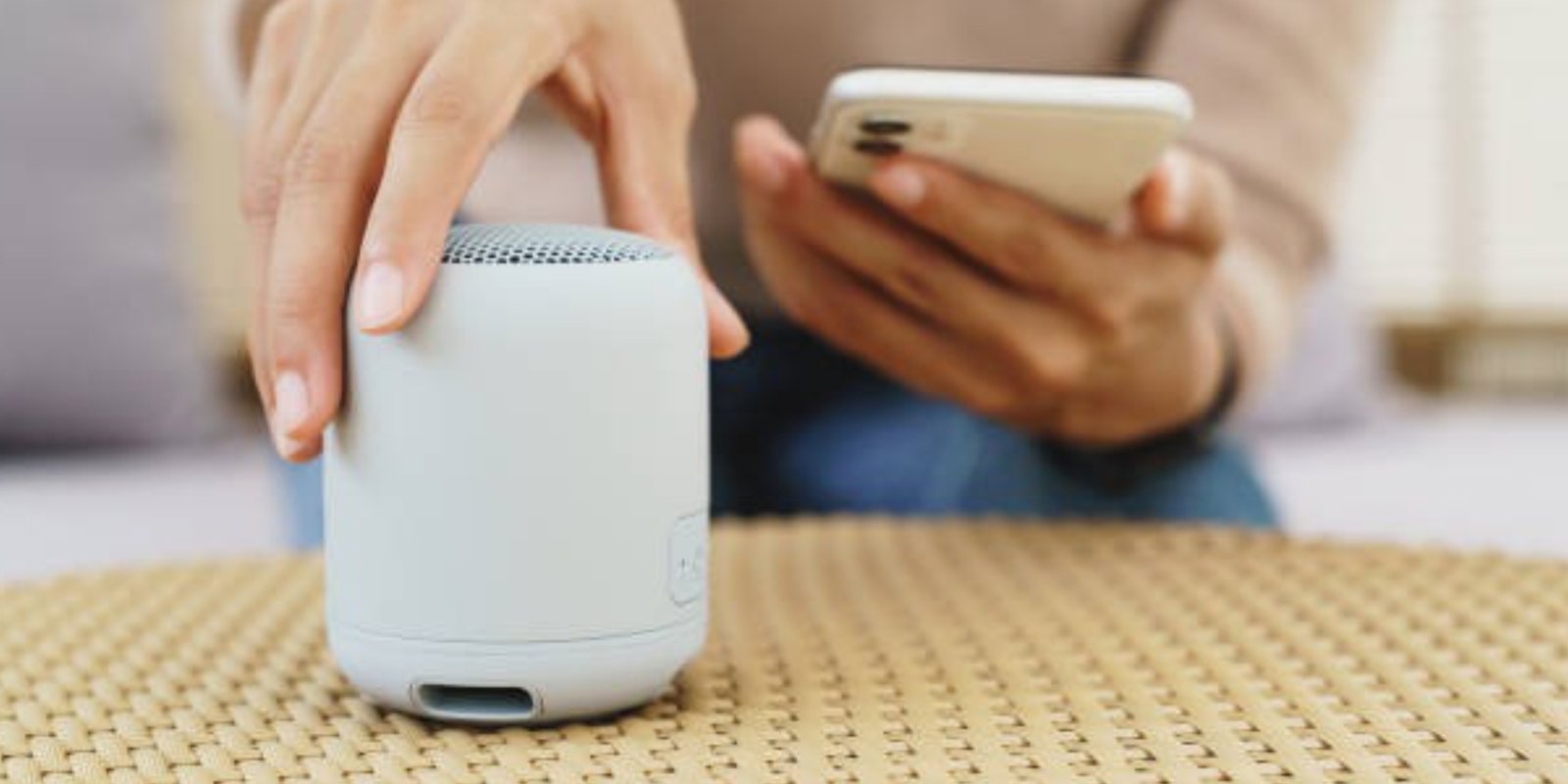
You’re in an auto in Hyderabad traffic, one hand on your bag, the other guarding a cutting chai like it’s fragile cargo. Your friend texts, “Bring music,” and suddenly you’re thinking about a Bluetooth speaker like it’s a travel buddy, not a gadget.
In 2026, shopping feels harder because every box promises “big bass” and “all-day battery.” But the truth is simple: the best bluetooth speaker depends on where you’ll use it and what you actually listen to. A lo-fi playlist in a hostel room needs a different speaker than a beach picnic with eight loud opinions.
Pick it like you’d pick shoes. Wrong fit hurts fast, and your neighbors will learn exactly where your volume knob tops out.
Start with your real life: where and how you’ll use the speaker
Before you compare specs, picture your week. Not your “vacation fantasy,” your real week. Do you move between rooms? Travel by train? Sit on a balcony? Host rooftop birthdays where someone always requests “one more song, bro”?
Your use-case decides four things fast: size, loudness, battery, and toughness. India adds its own spice: power cuts, dusty roads, sudden rain, and rooms that echo like a steel dabba.
Small Room, Big Party, or Outdoor Hangout?
“Loud enough” isn’t just a number. It depends on distance, people, and background noise.
A simple rule of thumb:
Compact: Ideal for 1–3 people, close range, desk or bedside use. Perfect for hostel rooms and work calls between playlists.
Medium: Great for living rooms, balconies, or terrace meets. Fuller vocals and better bass.
Party-size: Best for rooftops and open areas where someone always says “let’s dance.”
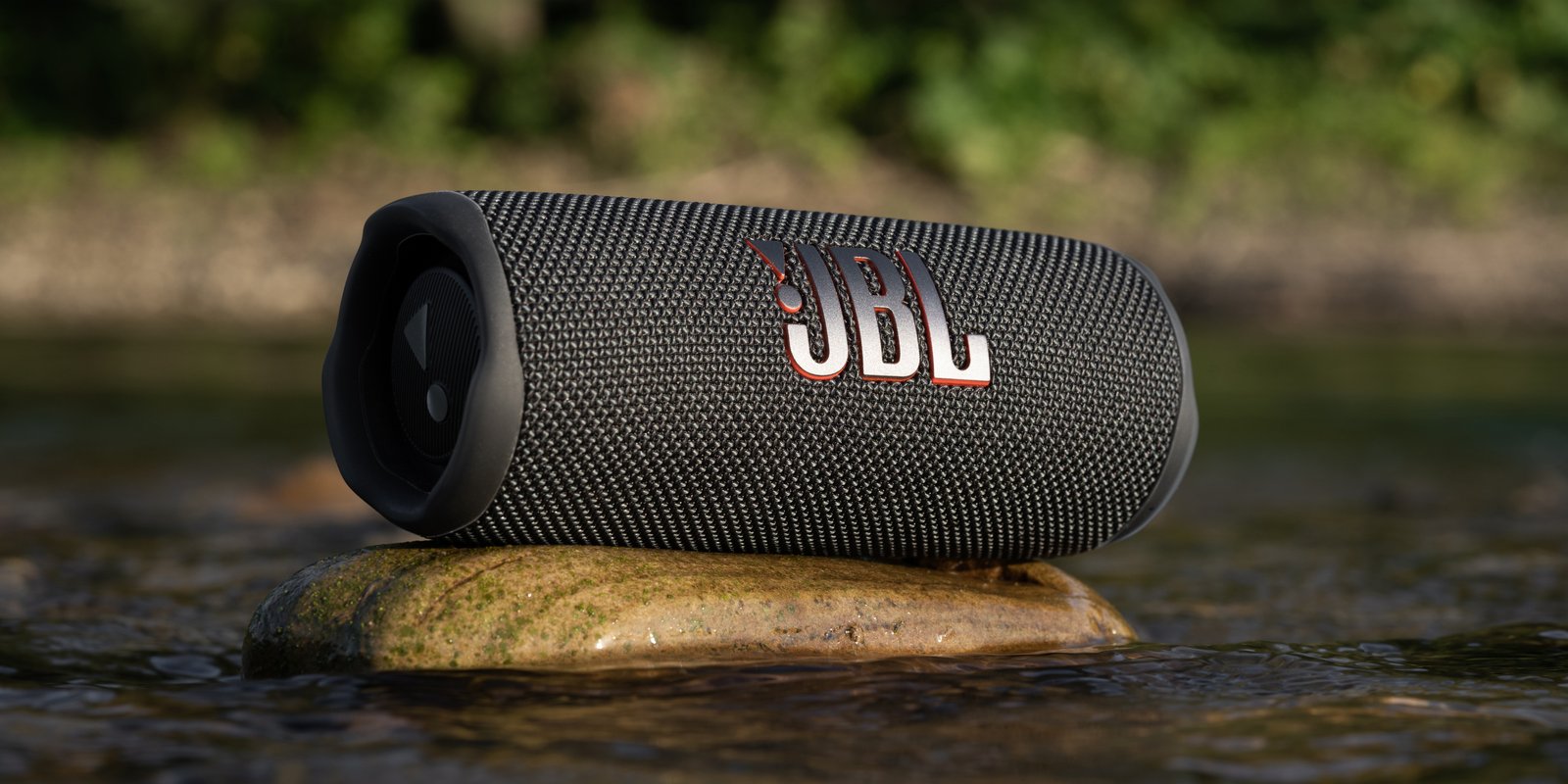
Have the designer help with image in this way, the above is an ai generated from gemini using an actual image, give this pic for ref. Or can modify the above image and use it directly.
Bigger speakers usually sound fuller because they push more air. If you regularly listen at 60–80% volume, avoid tiny speakers expecting miracles.
If you often listen at 60 to 80 percent volume, don’t buy tiny and hope for miracles. That’s how you get harsh sound and battery that disappears by dinner.
Monsoon-Proof or Just Splash-Safe?
Water ratings look confusing but are simple:
IPX4: Splash-safe. Light rain or kitchen splashes. IPX7: Can survive short water immersion. IP67: Water-resistant and dust-tight. Better for beaches and hikes.
Here’s the catch: water-resistant doesn’t mean “careless-proof.” Saltwater and sand are the real villains. Salt can corrode, sand can grind into buttons and ports. If you take it to the beach, rinse the outside with fresh water (if the brand allows it), dry it well, and keep ports sealed.
In 2026, more speakers are rugged than ever, but some still have exposed charging points or flimsy flaps. If your lifestyle includes monsoon chaos, choose the tougher option and sleep better.
Stereo Pairing , multi-speaker modes, and spatial tricks: what’s worth paying for
Two features matter more than buzzwords:
True stereo pairing means two same-model speakers act as left and right channels. In a room, this makes music feel wider and more natural. If you sit between them, it’s a “wow” moment.
Party mode (multi-speaker) means several speakers play the same thing together. Outdoors, this helps more than stereo because open air eats bass and volume.
One more practical point: latency. If you watch a lot of YouTube, reels, or play games, check lip-sync. Many modern speakers handle video fine, but some still lag. Test it in-store with a short clip if you can. A speaker that makes dialogues look dubbed is funny for 30 seconds, then it’s pain.
Features that save headaches: battery, calls, connections, and buying smart

By 2026, most speakers connect quickly and sound decent. The difference is what happens after two weeks of real use, when you’re charging it at midnight, taking calls, or switching devices.
Focus on features that reduce daily friction: honest battery, easy charging, stable Bluetooth, and after-sales support.
Battery and charging: don’t fall for the “24 hours” fantasy
Battery claims often assume low volume and no extra bass. Real life is louder.
If you listen around 50 percent volume, many speakers do well. If you blast at 80 percent with bass boost on, battery drops fast. Look for a speaker that gives a realistic 8 to 12 hours at your usual volume, not a magical number on the box.Connections and warranty: multipoint, AUX, and how to avoid grey-market surprises
Multipoint means the speaker can stay connected to two devices at once, like your phone and laptop. It saves you from the daily “disconnect, reconnect” dance.
Buying smart in India means checking support, not just price. Read the return policy, confirm official warranty, and look up service centers in your city. Be careful with sellers that feel like the best imports exports energy, cheap listings, unclear bills, and vague warranty promises. Grey-market units can be real products, but support can vanish when something goes wrong.
If you take calls on the speaker, test the mic too. Some speakers sound great for music but turn your voice into “hello, hello, are you in a tunnel?Conclusion: a simple way to choose the best bluetooth speaker and move on
Picking a Bluetooth speaker in 2026 is easier when you stop chasing specs and start matching your day-to-day. Use this quick checklist:
✔ Use-case: Room, travel, rooftop, beach
✔ Ruggedness: IP rating that fits your monsoon and dust reality.
✔ Sound test: bass, vocals, busy track in 60 seconds.
✔ Battery: realistic hours at your usual volume, USB-C helps.
✔ Features: stereo pair or party mode, multipoint, AUX if needed.
✔ Warranty: official bill, service options, safe seller.
✔ Budget: pay for what you’ll notice, skip what you won’t
Choose the best bluetooth speaker that fits your life at waterberry, not the one that looks coolest in ads. Then press play, set the volume like you respect your neighbors, and let the speaker do its job.